When someone is ready for addiction treatment, one of the first questions is simple: how long can a person stay in a rehab facility? The honest answer is: it depends on the person. Rehab is not “one size fits all.” A good program uses a personal treatment plan, checks progress, and changes care when needed.
Below, you’ll learn common rehab timelines, what changes the length of stay, and how to choose the right level of care for long-term recovery.
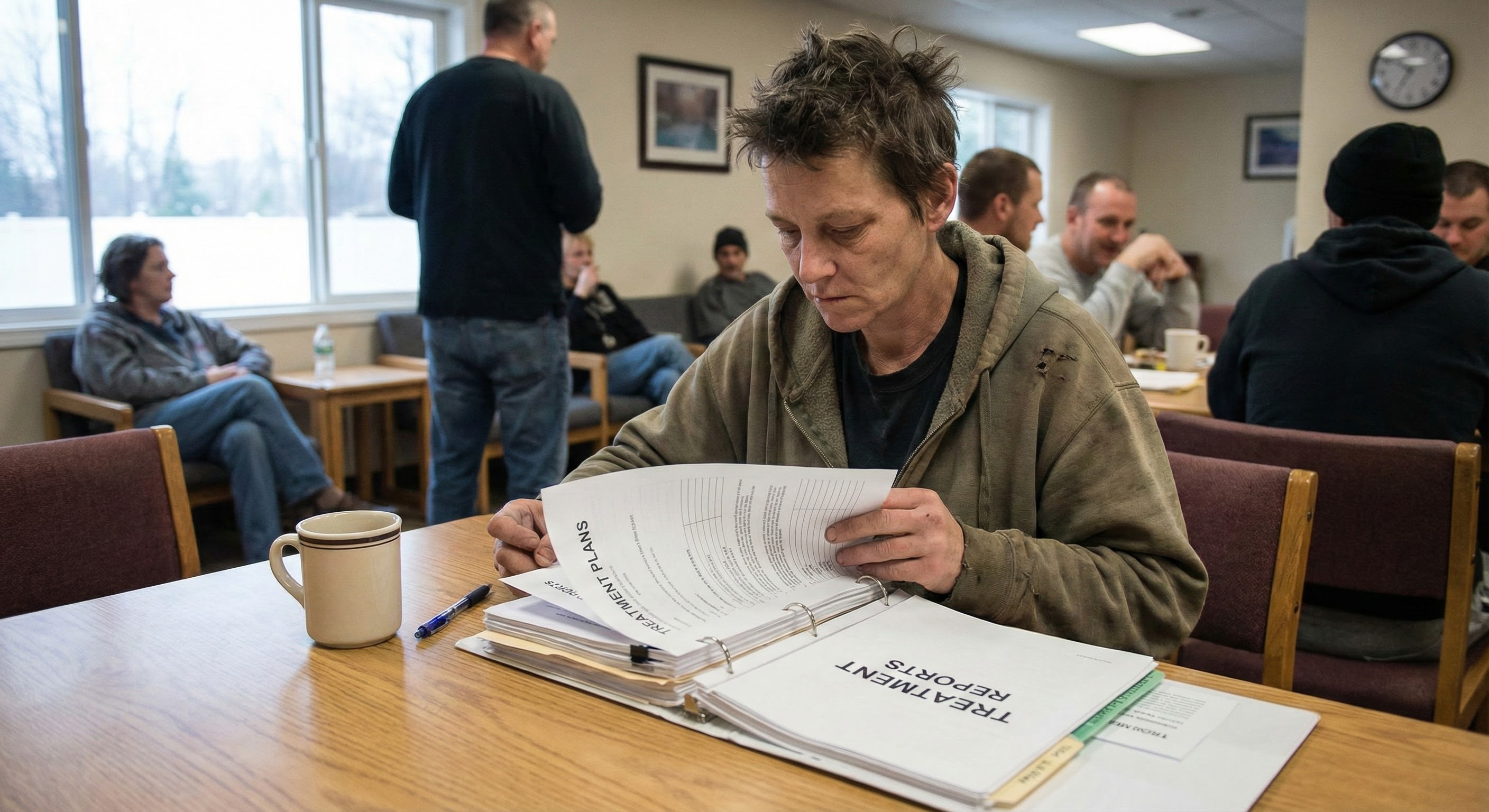
How long can a person stay in a rehab facility?
A person can stay in a rehab facility for a few days, a few weeks, a few months, or even longer. Many people start with 30, 60, or 90 days, but some need more time. The safest and most helpful length is based on medical needs, mental health, relapse risk, and progress in treatment.
What are the most common rehab program lengths like 30, 60, and 90 days?
Most rehab centers offer program lengths that fit real-life needs, like work, school, and family. These timelines are common because they help people build structure and skills in steps.
What usually happens in a 30-day rehab program?
A 30-day rehab program often focuses on getting stable. This may include medical support, therapy, group counseling, and learning basic coping skills. People may work on:
-
cravings and triggers
-
daily routines (sleep, meals, movement)
-
early relapse prevention skills
-
building a recovery support plan
For some, 30 days is a strong start. For others, it’s the first step before more care.
What usually happens in a 60-day rehab program?
A 60-day rehab program usually gives more time to practice new habits. Many people use the extra weeks to:
-
go deeper in individual therapy (like CBT or DBT)
-
work on trauma, grief, or stress
-
practice communication and healthy boundaries
-
start family therapy sessions
-
plan aftercare in a stronger way
This longer stay can help the brain and body keep healing while skills become more “real life.”
What usually happens in a 90-day rehab program?
A 90-day rehab program often allows time for bigger life change. People can practice recovery skills longer and prepare for life after treatment. Some research-based guidance says longer time in treatment can improve outcomes, and the National Institute on Drug Abuse has shared that remaining in treatment for an adequate period of time is important, often discussed as around 90 days or more depending on the person.
Why does rehab length change from person to person?
Rehab length changes because people have different bodies, different risks, and different lives. A licensed counselor, addiction medicine doctor, psychiatrist, or clinical team may look at many factors.
How does the type of substance affect length of stay?
Different substances can change withdrawal risk, cravings, and relapse risk. Alcohol, opioids, meth, benzodiazepines, and other drugs can affect the brain and body in different ways. Some people need a longer level of support to stay safe and stable.
How do mental health and “dual diagnosis” change the timeline?
Many people have both a substance use disorder and a mental health condition like depression, anxiety, PTSD, or bipolar disorder. This is often called dual diagnosis. When both need care, treatment may take longer because the plan must address both at the same time.
How does home support affect how long someone should stay?
If home is stressful or unsafe, a longer stay—or a step-down plan like sober living—may help. Recovery support matters. A stable home, safe friends, and healthy routines can make it easier to leave treatment sooner.
How do progress and relapse risk affect discharge?
Many quality programs don’t base discharge only on the calendar. They look at progress like:
-
fewer cravings and better coping skills
-
stable mood and sleep
-
strong relapse prevention plan
-
steady attendance and participation
-
safe plan for housing, work, and support
What is the difference between detox, inpatient rehab, and outpatient care?
These levels of care can affect how long a person stays “in a facility” and how long they stay “in treatment” overall.
What is medical detox and how long does it last?
Detox helps the body safely clear substances. Detox may last several days to about a week or more, depending on the substance, dose, and health risks. Detox is often the beginning—not the full treatment plan.
What is inpatient or residential rehab and how long can it last?
Inpatient rehab (also called residential treatment) means living at the facility full-time. This level of care is structured and supportive. Stays may be 30, 60, 90 days, or longer in long-term residential programs.
What is outpatient treatment and how long can it last?
Outpatient treatment means living at home and going to therapy sessions during the week. This may include:
-
PHP (Partial Hospitalization Program)
-
IOP (Intensive Outpatient Program)
-
standard outpatient counseling
Outpatient care can last weeks to many months, and it’s often part of aftercare planning.
How do professionals decide the right level of care?
Many treatment teams use a full assessment to match the person to the right level of care. In the U.S., a well-known framework is The ASAM Criteria (from the American Society of Addiction Medicine). It helps providers look at medical needs, mental health needs, and support systems to recommend the safest level of care.
This kind of planning supports a key idea: the right care at the right time.
Is longer rehab always better?
Longer rehab can help, but “longer” is not the only goal. The goal is effective care and continued support.
Good outcomes often come from:
-
evidence-based therapy (like CBT, DBT, motivational interviewing)
-
group therapy and peer support
-
medication support when needed (MAT like buprenorphine, methadone, or naltrexone for opioid use disorder)
-
skills practice and relapse prevention
-
strong aftercare and community support
Many public health resources emphasize that treatment works and recovery is possible, especially when people get the care that fits their needs.
Can someone stay in rehab longer than 90 days?
Yes. Some people stay longer than 90 days, especially if they need:
-
long-term structure
-
more time to stabilize mental health
-
more practice living without substances
-
a safer step-down plan before returning home
Longer stays may happen in long-term residential programs or therapeutic community models. For some, a better plan is not “more residential time,” but moving from inpatient to outpatient while keeping strong supports.
What happens when someone is ready to leave a rehab facility?
Leaving rehab should never feel like being “dropped off a cliff.” A good program creates a discharge plan (also called continuing care). This often includes:
-
a step-down level of care (PHP or IOP)
-
weekly therapy with a licensed clinician
-
medication management if needed
-
recovery groups (like AA, NA, SMART Recovery)
-
sober living or recovery housing if home is risky
-
a plan for triggers, cravings, and emergencies
This is where long-term recovery is protected—because real life starts again.
How can family and friends support the right length of stay?
Support can help someone stay long enough to heal. Family and friends can:
-
learn about addiction as a health condition
-
join family therapy if the program offers it
-
avoid pressure like “just come home now”
-
support boundaries and healthy routines
-
remove alcohol or drugs from the home
-
encourage aftercare, not just “finishing rehab”
Recovery is a process. Support should match the process.
What questions should you ask a rehab facility about length of stay?
When you call a rehab center (like a local residential treatment program, a hospital-based program, or a private facility), ask clear questions like:
-
How do you decide the length of stay for each person?
-
Do you use a clinical assessment (like ASAM-guided placement)?
-
What happens after detox—do you offer inpatient and outpatient options?
-
What therapies do you provide (CBT, DBT, trauma therapy, family therapy)?
-
Do you treat dual diagnosis (mental health + addiction)?
-
What does aftercare planning include (IOP, sober living, alumni support)?
-
How do insurance and payment options affect care?
A trusted program will answer these in plain language and focus on safety and progress.

Seeking Treatment? We Can Help!
We work with PPO Out of Network Health Insurance Policies
If you or a loved one are struggling with mental health challenges or substance abuse, reach out to Mountain Sky Recovery today. Our team of compassionate professionals is here to support your journey towards lasting well-being. Give us a call at 951-498-5412. Visit SAMHSA for more information.