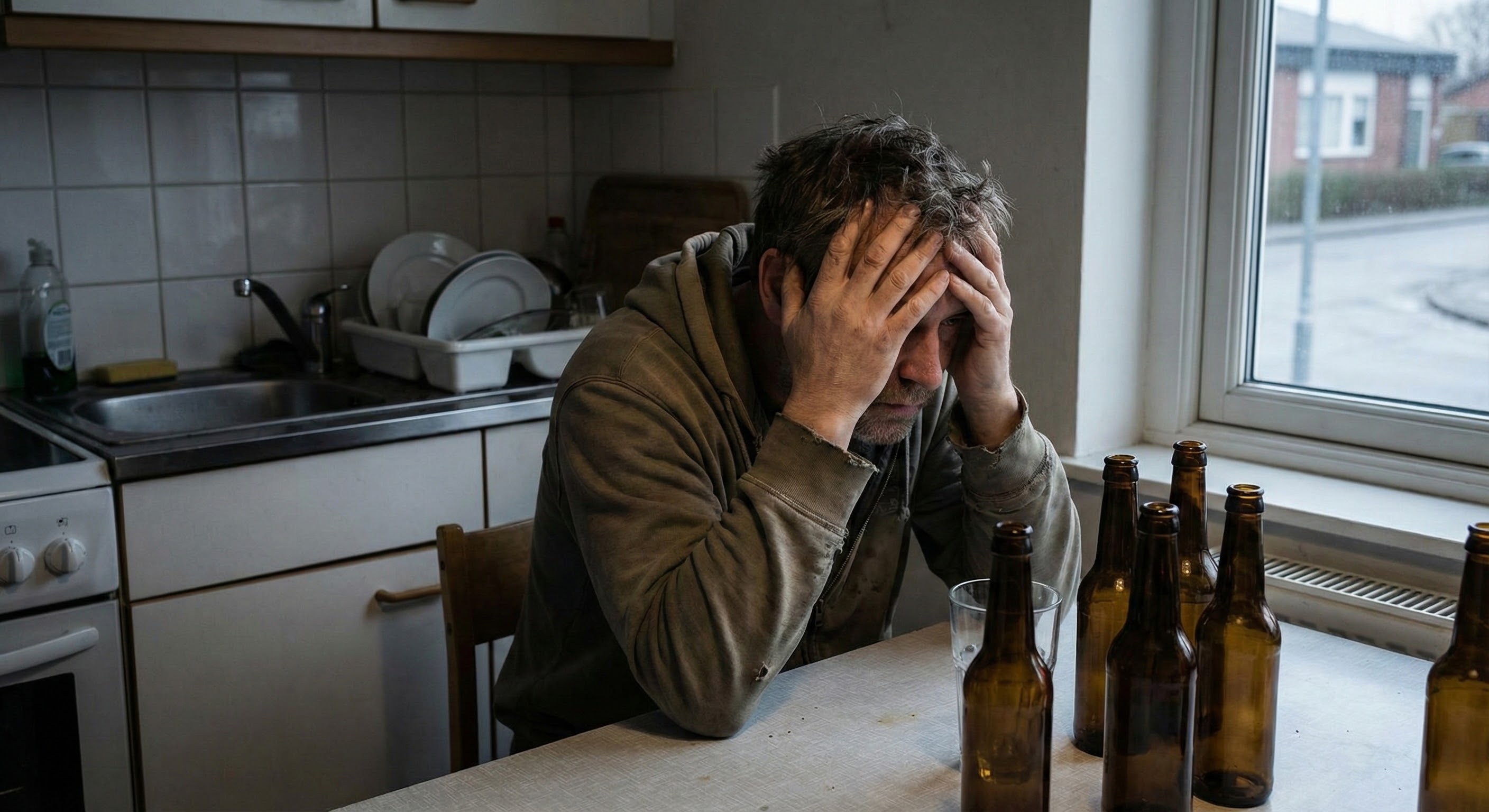
Which addiction has the highest relapse rate?
The honest answer is: it depends. Relapse rates change based on how a study defines “relapse,” how long it follows people, and what kind of help people get.
That said, nicotine addiction (cigarettes and vaping) is often described as one of the hardest to quit and stay quit. Opioid addiction (like heroin and fentanyl) is also linked with very high relapse risk, especially when someone tries to stop without ongoing treatment and support.
So instead of thinking “one addiction always has the highest relapse rate,” it helps to think:
Which addictions have the strongest cravings, the toughest triggers, and the biggest risks if someone slips?
Why is it hard to name one addiction as “the highest relapse rate”?
Relapse numbers can look different because studies aren’t all the same. Here’s why:
-
Relapse can mean different things: Some studies call it relapse if a person uses even one time. Others call it relapse only if the person goes back to regular heavy use.
-
Time matters: A 30-day relapse rate is different from a 12-month relapse rate.
-
Support levels change results: People who have a strong plan (therapy, medication when needed, aftercare, and community support) often do better than people trying to quit alone.
-
Life factors matter: Stress, trauma, mental health, housing, and relationships can all raise relapse risk.
Because of this, you’ll see different “rankings” depending on the study.
What does relapse mean in addiction recovery?
Relapse usually means returning to substance use after a period of not using. But relapse can also happen in steps:
-
Emotional relapse: bottling feelings, isolating, not sleeping, stopping healthy routines
-
Mental relapse: thinking about using, romanticizing past use, bargaining (“Just once”)
-
Physical relapse: using the substance
Learning these early warning signs can help someone get support before a slip happens.
Why do relapse rates matter for treatment?
Relapse rates matter because they show us something important:
Addiction recovery is often not a straight line.
Many people need more than one try. This does not mean the person is “weak.” It means the brain and body have learned strong habits, and it takes time, tools, and support to build new ones.
A better way to think about it is:
Recovery is a skill that gets stronger with practice and the right help.
Is nicotine addiction one of the highest-relapse addictions?
Yes—nicotine is often considered one of the toughest addictions to quit long-term. Here’s why:
-
Nicotine changes the brain’s reward system
-
Cravings can hit fast and feel strong
-
Triggers are everywhere (driving, stress, coffee, breaks, social situations)
-
It’s legal and easy to buy
-
Many people around you may still use it
Because nicotine is tied to daily routines, it can be hard to avoid reminders. This is why many people need a quit plan that includes coping tools, support, and sometimes medication or nicotine replacement products.
Do opioids like heroin and fentanyl have very high relapse risk?
Yes. Opioids can have a high relapse risk, and relapse can be very dangerous.
One major reason is tolerance. When someone stops using opioids, their body tolerance drops. If they return to the amount they used before, the body may not handle it, which can lead to overdose.
Opioid addiction often needs ongoing care, which may include:
-
medication support when appropriate
-
therapy and coping skills
-
recovery support and aftercare
-
safety planning (including overdose prevention tools)
Is alcohol addiction linked to high relapse risk too?
Yes. Alcohol addiction can also have a high relapse risk, especially when:
-
someone has strong stress triggers
-
alcohol is part of their daily life or social life
-
the person also has anxiety, depression, or trauma
-
the person tries to quit without support
Alcohol can be especially tricky because it’s common at events, restaurants, and gatherings. This means relapse prevention often requires planning for social situations.
Are stimulant addictions like meth or cocaine high relapse risk?
Stimulants like methamphetamine and cocaine can also lead to strong cravings and relapse risk. People may relapse because of:
-
intense cravings triggered by stress or memories
-
sleep problems and mood crashes after quitting
-
mental health symptoms like anxiety, depression, or paranoia
-
social environments where drugs are present
Recovery often improves when a person has structure, therapy, support, and healthy routines that rebuild sleep, nutrition, and emotional balance.
Which addictions are most likely to relapse early?
Many addictions have the highest relapse risk in early recovery, often in the first weeks and months. Early recovery can include:
-
withdrawal symptoms
-
sleep trouble
-
mood swings
-
cravings
-
stress and emotional pain
This is why aftercare is so important. People do best when they stay connected to support during the early months, not just during detox or the first stage of treatment.
What makes relapse more likely for any addiction?
Relapse is more likely when these factors show up:
-
Strong cravings
-
Withdrawal symptoms
-
Triggers (people, places, music, routines, emotions)
-
High stress
-
Poor sleep
-
Loneliness or isolation
-
No daily structure
-
Mental health symptoms (anxiety, depression, trauma, PTSD)
-
No aftercare plan
A common pattern is this:
When the brain feels overwhelmed, it looks for the fastest relief it remembers. That’s why coping skills matter so much.
How does dual diagnosis affect relapse risk?
Dual diagnosis means a person has both:
-
a substance use disorder, and
-
a mental health condition (like depression, anxiety, PTSD, bipolar disorder)
If mental health symptoms are not treated, relapse can be more likely because the person may use substances to “self-medicate.”
Treating both at the same time can help people:
-
manage anxiety and depression
-
handle trauma safely
-
reduce cravings triggered by emotions
-
build healthier coping skills
What treatments lower relapse risk the most?
The best relapse prevention is usually a mix of supports, not just one thing.
Can medication support help reduce relapse?
For some addictions, medication can be a big help. For example:
-
opioid addiction may respond well to certain medications used as part of long-term treatment
-
alcohol addiction may have medication options for some people
-
nicotine addiction may improve with nicotine replacement or other supports
Medication is not “trading one addiction for another” when used correctly under medical care. It can be part of a safe plan that lowers cravings and helps the brain heal.
How does therapy help with relapse prevention?
Therapy helps people learn:
-
how to handle triggers
-
how to change harmful thought patterns
-
how to manage stress
-
how to rebuild relationships
-
how to create a relapse prevention plan
Common therapy styles include skills-based approaches that focus on coping and behavior change.
Why does aftercare matter so much?
Aftercare helps people stay connected after treatment. It might include:
-
outpatient therapy
-
intensive outpatient programs (IOP)
-
support groups
-
sober living options
-
recovery coaching
-
ongoing check-ins
Aftercare is where many people learn how to live recovery in real life—work, family, stress, and all.
What can someone do if they relapse?
Relapse can feel scary and shameful, but it can also be a signal:
Your recovery plan needs more support, not more self-hate.
Here are helpful next steps:
-
Tell someone safe right away (counselor, sponsor, trusted family member)
-
Get back to support quickly (meeting, therapy, group session)
-
Avoid triggers immediately (people/places linked to use)
-
Make a safety plan (especially if opioids or alcohol are involved)
-
Look at what happened (stress, conflict, boredom, sleep loss, cravings)
-
Adjust the plan (more support, more structure, stronger boundaries)
A relapse does not erase progress. It means it’s time to strengthen the system around recovery.
How can families support someone with a high-relapse addiction?
Families can help without enabling by:
-
staying calm and consistent
-
encouraging treatment and aftercare
-
setting clear boundaries (money, housing, safety rules)
-
learning about triggers and cravings
-
joining family counseling or family support groups
Support works best when it focuses on:
-
safety
-
structure
-
accountability
-
healthy communication
What should you look for in a treatment program to help prevent relapse?
A quality program often includes:
-
a full assessment (substance use + mental health)
-
evidence-based therapy and skills training
-
relapse prevention planning
-
support for families
-
aftercare planning before discharge
-
options for ongoing support
The goal is not just “stop using,” but also:
build a life where using is not the best or easiest option anymore.
Seeking Treatment? We Can Help!
We work with PPO Out of Network Health Insurance Policies
If you or a loved one are struggling with mental health challenges or substance abuse, reach out to Mountain Sky Recovery today. Our team of compassionate professionals is here to support your journey towards lasting well-being. Give us a call at 951-498-5412. Visit SAMHSA for more information.