Introduction
Heroin is a powerful opioid drug made from morphine, which comes from the opium poppy plant. It can be injected, smoked, or snorted, and it works very quickly in the brain. People may feel strong euphoria or pleasure at first, but heroin also harms important parts of the brain that control memory, mood, and behavior.
Over time, heroin changes the way the brain works. It can hurt mental health, weaken executive functions like decision-making, and cause long-term cognitive impairment. This is why heroin use often leads to addiction, physical dependence, and the need for medical help.
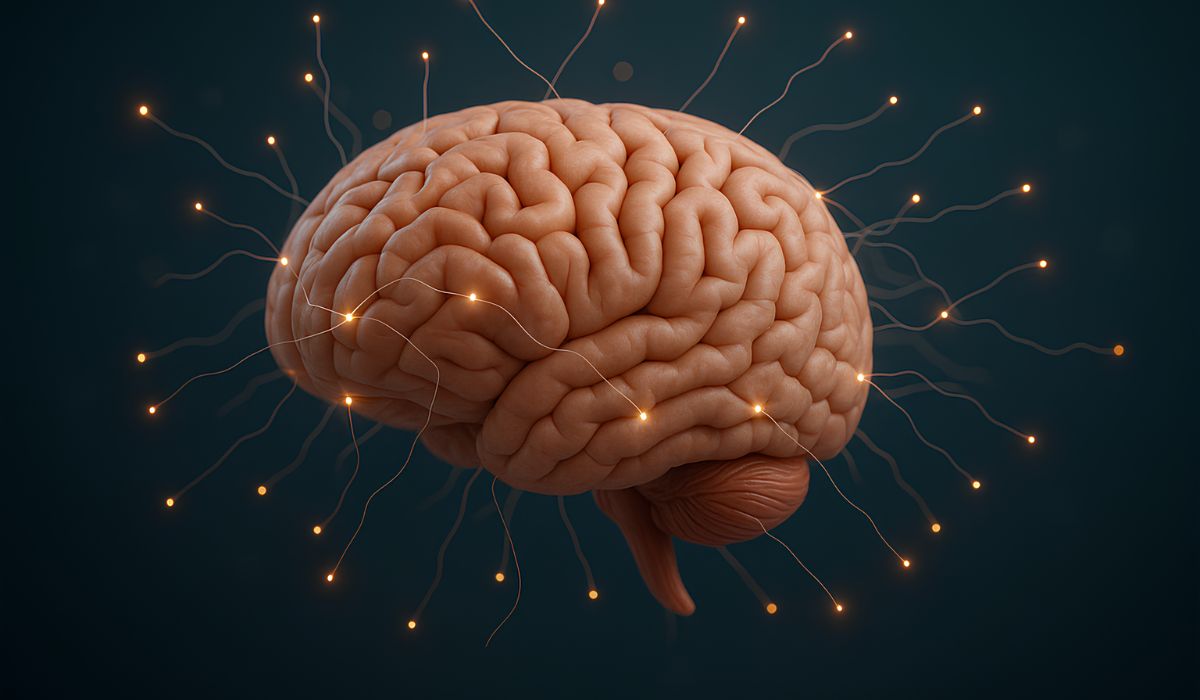
How Heroin Affects the Brain
Heroin and the Brain’s Reward System
The brain has a natural reward system that uses the chemical dopamine. Dopamine helps us feel pleasure when we do healthy things like eating or spending time with loved ones.
When heroin enters the brain, it attaches to opioid receptors in areas like the cerebral cortex and prefrontal cortex. This triggers a massive release of dopamine. The sudden surge makes people feel intense pleasure or euphoria, much stronger than normal activities.
Over time, the brain adapts. The neuroplasticity of the brain changes how dopamine works, making it harder to feel joy from everyday life. This can lead to anhedonia, or the inability to feel pleasure without drugs.
Heroin’s Impact on Memory and Thinking
Heroin can hurt parts of the brain linked to working memory and cognition. Studies using neuroimaging show damage to white matter, which is important for sending signals between brain cells.
As a result, people may struggle with:
-
Memory problems
-
Trouble with inhibitory control (self-control)
-
Poor decision-making in the prefrontal cortex
-
Slowed reaction times
These changes make it harder to stop using heroin, even when someone wants to quit.
Emotional and Mental Health Effects
Heroin not only changes thinking but also impacts psychology and mental health. It can cause or worsen:
-
Depression
-
Anxiety
-
High levels of stress
-
Mood swings
Many people with heroin addiction also turn to alcohol or other drugs, which increases the risk of harm. Long-term use can even reduce neurogenesis, the brain’s ability to grow new cells, making recovery more difficult.
Short-Term vs. Long-Term Effects on the Brain
Short-Term Effects
Right after taking heroin, a person may feel:
-
Warm relaxation
-
Sedative calmness
-
A rush of euphoria
-
Slowed breathing and heartbeat
But these effects fade, and the brain quickly starts craving more.
Long-Term Effects
With repeated use, heroin causes:
-
Addiction and physical dependence
-
Weakened executive functions like planning and focus
-
Cognitive impairment and poor memory
-
Damage to the cerebral cortex and white matter
-
Changes in mood and constant anhedonia
These long-term effects often lead to relapse, even after someone tries abstinence.
Why Heroin is So Addictive
Heroin is extremely addictive because it changes the brain’s natural balance. The opioid receptors become used to the drug. When the drug is missing, withdrawal symptoms appear, like sweating, pain, and intense cravings.
This cycle of use, withdrawal, and relapse is common in substance abuse. Over time, the brain views heroin as necessary for survival, even though it harms the body and mind.
The Dangers of Overdose
A major risk of heroin use is opioid overdose. Because heroin is often mixed with other opioids like fentanyl, even a small dose can be deadly. Overdose happens when the drug slows down breathing too much, leading to brain damage or death.
Signs of overdose include:
-
Slowed or stopped breathing
-
Unconsciousness
-
Bluish skin or lips
Naloxone, a life-saving medication, can reverse an overdose by blocking opioid receptors. This medicine is often carried by first responders and sometimes by families of people at risk.
Treatment for Brain Recovery After Heroin
Medication-Assisted Treatment
Doctors often use medicine like methadone, buprenorphine, or naloxone to help with recovery. These medications reduce cravings and stabilize the brain’s chemistry.
Therapy and Psychiatry
Therapy and psychiatry are also important. Talking with professionals can help people learn coping skills, manage stress, and rebuild mental health.
Healthy Brain Practices
Other methods that support brain recovery include:
-
Meditation and relaxation for stress control
-
Good nutrition and exercise
-
Sleep hygiene to repair the brain
-
Support groups to prevent relapse
Can the Brain Heal After Heroin?
The brain does have the power of neuroplasticity. With time, abstinence, therapy, and the right support, many brain functions can improve. Research shows that people who stop using heroin may regain better memory, mood, and cognition.
Still, some damage to white matter and executive functions may take years to heal, and in some cases, it may not fully recover. This is why early treatment is so important.
How Psychiatry and Psychology Work Together
Psychology focuses on thoughts, emotions, and behavior, while psychiatry adds medical support through medication. When these two fields work together, people with heroin addiction get full care. This approach treats both the brain and the emotions connected to substance abuse.
Preventing Relapse
Relapse is common because the brain remembers the strong effects of heroin. To lower the risk:
-
Stay connected to therapy
-
Use medicine like methadone when needed
-
Avoid other drugs and alcohol
-
Practice meditation and stress reduction
-
Build strong support systems
Conclusion
Heroin deeply affects the brain by hijacking the reward system, damaging memory and cognition, and leading to long-term mental health struggles. It creates addiction, increases the chance of overdose, and can cause lasting changes to the prefrontal cortex, cerebral cortex, and white matter.
But recovery is possible. With therapy, psychiatry, medication, and healthy lifestyle choices, the brain can heal through neuroplasticity and neurogenesis. Getting help early makes a big difference.

Seeking Treatment? We Can Help!
We work with PPO Out of Network Health Insurance Policies
If you or a loved one are struggling with mental health challenges or substance abuse, reach out to Mountain Sky Recovery today. Our team of compassionate professionals is here to support your journey towards lasting well-being. Give us a call at 951-498-5412. Visit SAMHSA for more information.