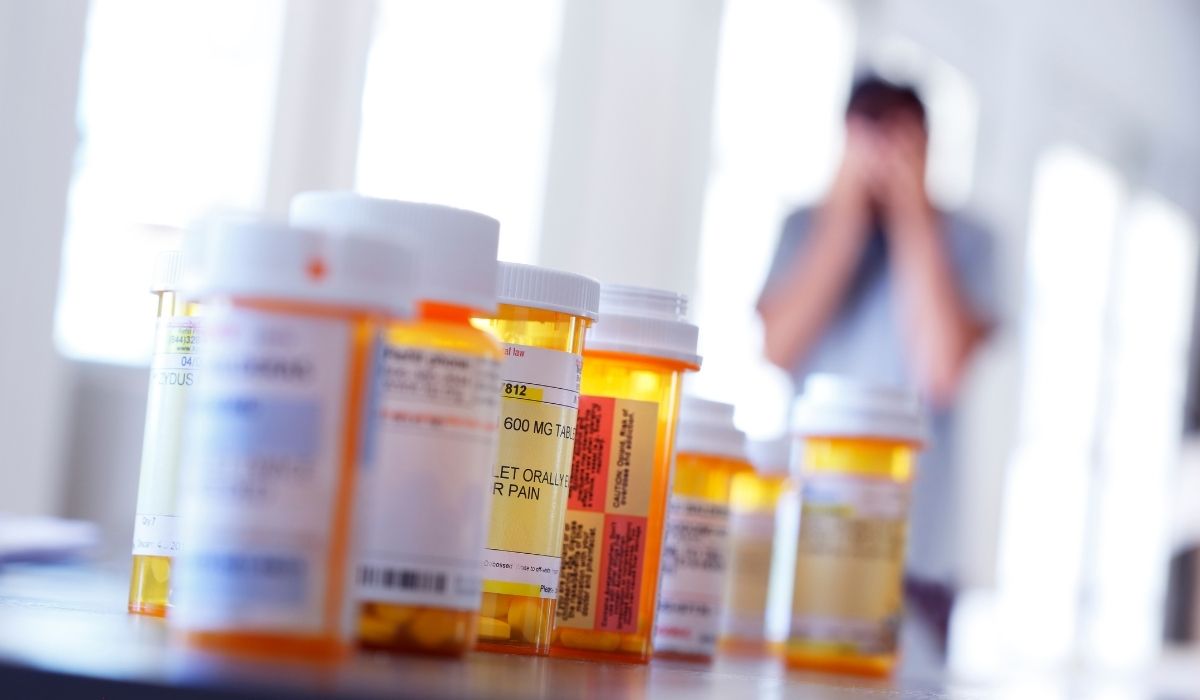
What does “worst addictions” really mean?
When people ask, “What are the top 3 worst addictions?” they usually mean: which addictions cause the most harm the fastest. “Worst” can mean a few things, like:
-
High risk of death (like overdose)
-
Hard withdrawal (dangerous or very painful)
-
Fast addiction (your brain gets hooked quickly)
-
Big life damage (family, work, school, money, legal trouble)
Addiction is also called substance use disorder (SUD). It is a medical condition, not a moral failure. People can recover with the right support, treatment, and time.

Why do some addictions feel harder to quit than others?
Some drugs change the brain’s reward system strongly. They can cause:
-
Cravings (strong urges to use)
-
Tolerance (needing more to feel the same effect)
-
Withdrawal symptoms (feeling sick when you stop)
-
Relapse risk (returning to use after stopping)
Also, your risk goes up if you have stress, trauma, anxiety, depression, or other mental health disorders. This is called dual diagnosis or co-occurring disorders.
What is one big warning before we list the top 3 worst addictions?
“Worst” can be different for each person. A drug that is “milder” for one person can destroy another person’s life. So this list is about overall danger, based on common risks like overdose, withdrawal, and long-term damage.
If you or someone you love is in danger right now, call 911. If you’re in the U.S. and need support, you can call 988 (Suicide & Crisis Lifeline) or SAMHSA’s National Helpline at 1-800-662-HELP (4357) for treatment help.
What is the #1 worst addiction for overdose risk: opioids like fentanyl and heroin?
Many experts consider opioid addiction one of the worst because it can lead to overdose and death quickly—especially with fentanyl.
Opioids include:
-
Fentanyl (often mixed into other drugs)
-
Heroin
-
Prescription pain pills (like oxycodone or hydrocodone)
Why are opioids like fentanyl so dangerous?
Opioids slow down breathing. Too much can make breathing stop. Fentanyl is extremely strong, and many people don’t know it’s in what they bought. This makes accidental overdose more likely.
What are common signs of opioid addiction?
Signs can include:
-
Using more than planned
-
Strong cravings
-
“Nodding off” or being very sleepy
-
Mood changes and pulling away from family
-
Money problems or missing work/school
-
Using even after bad results (like overdoses, arrests, job loss)
What does opioid withdrawal feel like?
Opioid withdrawal can feel like:
-
Sweating, chills, shaking
-
Body aches, stomach cramps
-
Nausea, vomiting, diarrhea
-
Anxiety, trouble sleeping
-
Strong cravings
Withdrawal may not always be deadly, but it can be very hard and can lead to relapse. That’s why medical detox and medication-assisted treatment (MAT) can be lifesaving.
What treatments help opioid addiction the most?
Many people do best with a full plan that may include:
-
Detox with medical support
-
MAT (like buprenorphine or methadone, when appropriate)
-
Therapy (CBT, DBT, trauma therapy)
-
Group support
-
Relapse prevention planning
-
Overdose prevention tools (like naloxone/Narcan)
What is the #2 worst addiction because withdrawal can be dangerous: alcohol?
Alcohol addiction is often underestimated because alcohol is legal. But alcohol use disorder (AUD) can be one of the worst addictions because withdrawal can be medically dangerous.
Why is alcohol addiction so serious?
Long-term heavy drinking can harm many parts of the body, including:
-
Brain and memory
-
Liver (fatty liver, hepatitis, cirrhosis)
-
Heart (high blood pressure, cardiomyopathy)
-
Sleep and mood
-
Immune system
Alcohol can also raise the risk of:
-
Car crashes
-
Violence or unsafe choices
-
Depression and suicide risk
Why can alcohol withdrawal be life-threatening?
Alcohol withdrawal can lead to severe symptoms like:
-
Seizures
-
Hallucinations
-
Delirium tremens (DTs)
That’s why people who drink heavily should not “just quit” alone. Medical detox can help keep the person safe and more comfortable.
What are signs of alcohol addiction?
Common signs include:
-
Needing alcohol to relax or feel normal
-
Drinking more than planned
-
Hiding alcohol or lying about drinking
-
Blackouts (not remembering)
-
Family conflict, work issues, legal problems
-
Trying to stop but not being able to
What treatments help alcohol addiction?
Helpful treatment options may include:
-
Medical detox
-
Residential rehab or outpatient programs
-
Therapy (CBT, family therapy, trauma care)
-
Support groups
-
Sometimes medications that reduce cravings (a provider can decide)
What is the #3 worst addiction because it can damage the brain and life fast: methamphetamine?
Methamphetamine (meth) is often considered one of the worst addictions because it can cause intense cravings and serious health problems, and it can deeply affect thinking, mood, and behavior.
Meth is a powerful stimulant. It can lead to:
-
Rapid addiction
-
High relapse risk
-
Big life disruption
Why does meth addiction get so severe?
Meth can flood the brain with chemicals linked to pleasure and energy. Over time, the brain can struggle to feel normal without the drug. This can cause:
-
Depression
-
Anxiety
-
Sleep problems
-
Strong cravings
Meth can also increase risky behavior, which can lead to:
-
Injuries
-
Infections
-
Legal trouble
-
Relationship breakdown
What are common signs of meth addiction?
Signs may include:
-
Fast weight loss
-
Little sleep, lots of energy, then “crashing”
-
Skin sores from picking
-
Dental problems (“meth mouth”)
-
Paranoia, anger, confusion
-
Financial and relationship problems
What does meth withdrawal look like?
Meth withdrawal may include:
-
Extreme tiredness
-
Low mood or depression
-
Increased appetite
-
Sleep problems
-
Strong cravings
Meth withdrawal isn’t usually deadly like severe alcohol withdrawal can be, but it can feel crushing. Support and structure matter a lot.
What treatments help meth addiction?
Many people improve with:
-
A structured program (inpatient or intensive outpatient)
-
Behavioral therapy (like CBT)
-
Mental health support
-
Healthy routines (sleep, food, movement)
-
Peer support
-
Relapse prevention planning
What other addictions are also very serious even if they aren’t in the top 3?
A few others can be extremely harmful:
What about benzodiazepines like Xanax or Valium?
Benzodiazepine addiction can be very dangerous. Stopping suddenly can cause seizures, and tapering should be done with medical guidance.
What about cocaine or crack cocaine?
Cocaine addiction can damage the heart and brain and increase overdose risk—especially when mixed with other substances.
What about nicotine?
Nicotine addiction (cigarettes or vapes) is very common and can lead to long-term disease. Many people need multiple quit attempts, support, and medication aids.
What about gambling addiction?
Gambling addiction can destroy finances, relationships, and mental health. It can lead to depression, anxiety, and suicidal thoughts. It deserves real treatment and support.
How can you tell if addiction is getting “worse”?
Addiction may be getting worse if:
-
You need more to get the same effect (tolerance)
-
You feel sick when you stop (withdrawal)
-
You keep using even after serious harm
-
You can’t stop even when you truly want to
-
You’re hiding it, lying, or feeling shame
-
You’re losing important things (health, job, family, school)
If any of these feel familiar, help is a smart next step—not a last resort.
What are the safest first steps to get help for addiction?
Here are simple, strong steps:
What is a safe step you can take today?
Tell one safe person what’s happening. Addiction grows in silence. Support helps you breathe again.
What treatment options are available?
Common levels of care include:
-
Medical detox
-
Inpatient/residential treatment
-
Partial hospitalization (PHP)
-
Intensive outpatient (IOP)
-
Outpatient therapy
-
Aftercare and sober support
Why does aftercare matter so much?
Addiction recovery isn’t only about stopping. It’s also about learning how to live without using. Aftercare often includes therapy, support groups, coping skills, and a plan for triggers.
What should you do if you’re searching for help in Southern California?
If you’re looking for addiction treatment near Murrieta, Riverside County, or Southern California, consider programs that offer:
-
Medical detox support (when needed)
-
Evidence-based therapy (CBT, DBT)
-
Dual diagnosis care for anxiety, depression, PTSD, and more
-
Family support
-
Relapse prevention planning
-
A clear aftercare plan
A quality rehab should explain your options in plain language and help you choose a level of care that fits your needs.
Seeking Treatment? We Can Help!
We work with PPO Out of Network Health Insurance Policies
If you or a loved one are struggling with mental health challenges or substance abuse, reach out to Mountain Sky Recovery today. Our team of compassionate professionals is here to support your journey towards lasting well-being. Give us a call at 951-498-5412. Visit SAMHSA for more information.