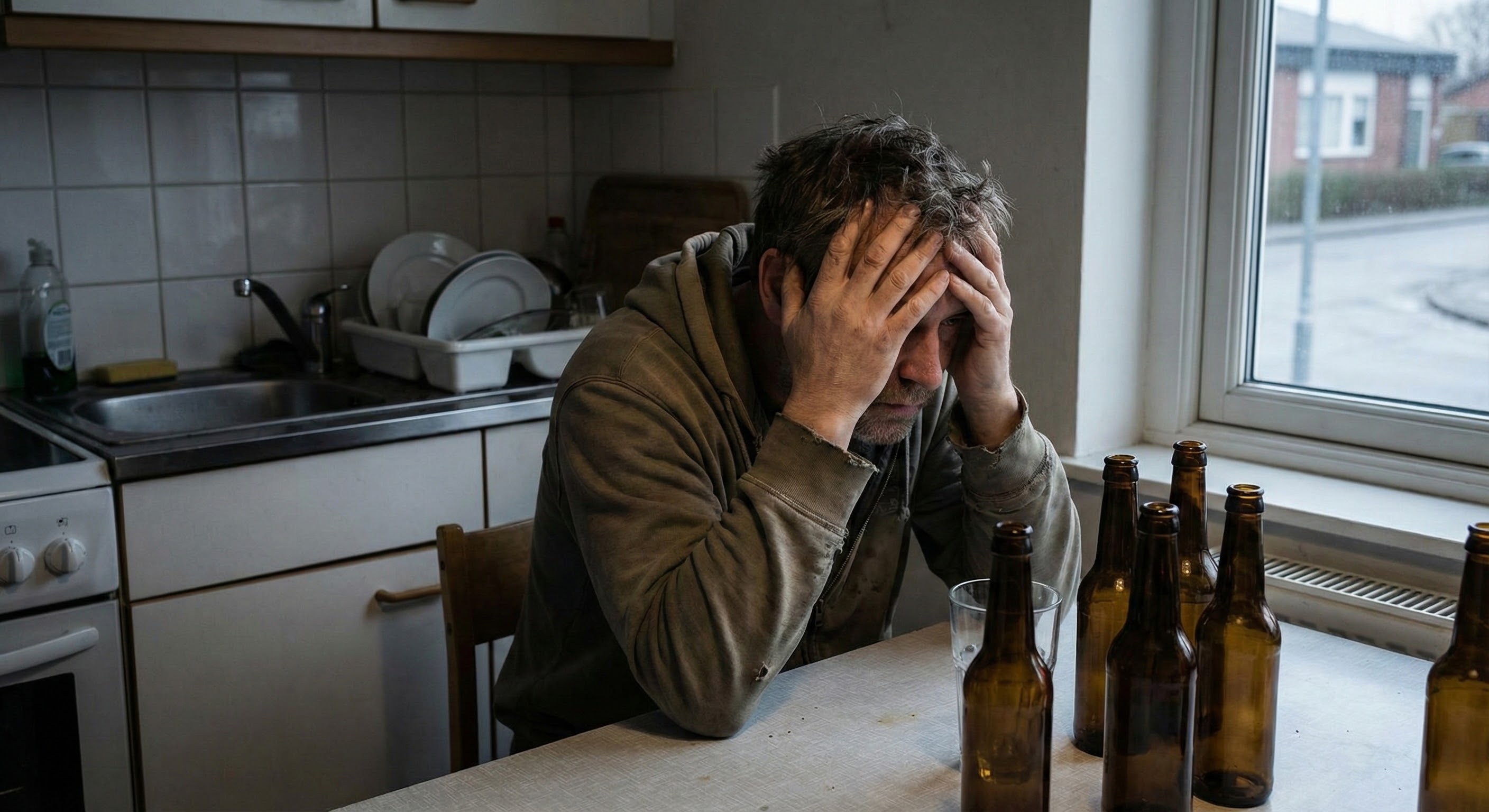
Who pays for drug rehabilitation most of the time?
Many people think rehab is paid for only by the patient. But that is not always true. In real life, payment often comes from a mix of places: health insurance, government programs, family support, and sometimes the criminal justice system.
Because addiction is a health issue (and often a mental health issue too), many plans treat it like other medical care. That means your plan may help pay for treatment services the same way it helps pay for other care.
At Mountain Sky Recovery in Murrieta, CA, our team helps you understand your options, get clear information, and figure out a plan that fits your needs and your budget.
Why does rehab cost money in the first place?
Rehab costs money because it includes real, trained care from a whole team. A quality treatment center may provide:
-
Medical and clinical assessments for substance abuse and mental health
-
Therapy (individual and group)
-
Medication management when needed
-
Treatment planning for relapse risk
-
Support for life skills, family healing, and long-term sobriety
-
Ongoing support groups and peer support
These services take trained staff, safe buildings, and 24/7 support in some settings. That creates an expense—but it is an expense that can protect your health, lower your chance of relapse, and improve long-term productivity at work, school, and home.
How does health insurance help pay for rehab?
Many people use insurance or health insurance to pay for rehab. If you have a plan through an employer or a private plan, you may have coverage for substance use treatment, similar to other health care.
What does the Affordable Care Act have to do with rehab coverage?
The Affordable Care Act helped make mental health and substance use treatment part of essential health benefits for many plans, including plans sold through the health insurance marketplace.
This matters because it means many plans can’t simply ignore addiction care. Coverage details still vary, but the ACA helped make treatment more available and fairer for many individuals.
What costs might I still have with insurance?
Even with coverage, you might pay part of the cost, such as:
-
A deductible (money you pay before coverage starts)
-
Copays or coinsurance (your share of the bill)
-
Out-of-pocket limits (a cap that can protect you from huge bills)
A good admissions or billing team can help you understand the likely total cost before you start, so you’re not surprised later. If you’ve gotten confusing answers in the past, ask for a clear breakdown and share your feedback—you deserve to understand your choices.
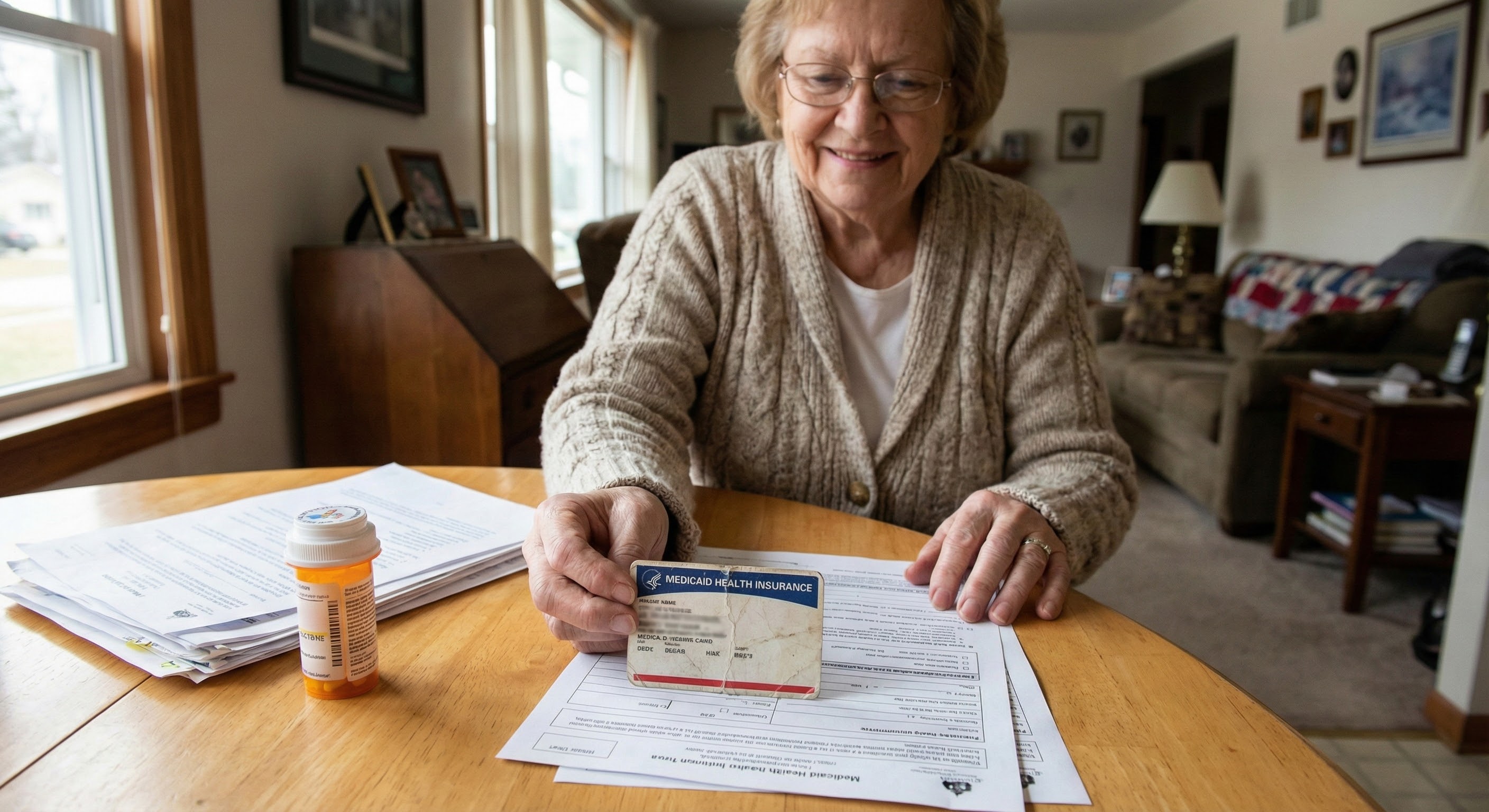
Can Medicaid pay for drug and alcohol rehab in California?
Yes, medicaid can help pay for treatment for many eligible people. In California, Medicaid is called Medi-Cal. If you qualify, it can be a major source of assistance for drug and alcohol treatment.
What is Drug Medi-Cal, and how does it work?
Drug Medi-Cal is a way Medi-Cal can help pay for certain addiction services. For Drug Medi-Cal to pay, the provider usually needs the right approvals, and the patient must meet eligibility rules. This is why it helps to talk to a treatment team that understands how coverage works.
What types of services can Medicaid support?
Medicaid coverage can include different levels of care, like outpatient counseling, education, and other treatment supports. The exact treatment services depend on medical need, the plan rules, and what’s available in your area.
If you’re not sure you qualify, or you’re between jobs, you can also look at the health insurance marketplace to see if you can get an ACA plan with a subsidy (financial help).
Can Medicare help pay for substance use treatment?
Yes, medicare can cover certain addiction treatment. It can also cover care for opioid use disorder in specific ways.
Which Medicare parts may cover opioid treatment and medications?
Medicare has different parts, and each part can cover different needs:
-
Medicare Part A may help cover inpatient hospital stays.
-
Medicare Part B may help cover certain outpatient services.
-
Medicare Part D may help cover prescription medication.
This matters for opioid treatment that may include methadone or buprenorphine. Coverage depends on the care setting, medical need, and the exact plan rules.
What if I don’t have insurance or my plan won’t cover enough?
If you don’t have coverage, you still may have options. The goal is to reduce the barrier so you can get help sooner—because waiting can increase health and safety risk.
Can I use payment plans, credit, or private pay?
Many rehab centers offer payment options, like:
-
Monthly payment plans
-
Private pay options
-
Using credit (not ideal for everyone, but possible)
If you use credit, try to do it with a clear plan and honest numbers, so it doesn’t create new stress that hurts recovery.
Are there state or federal programs that help pay for rehab?
Yes. Some funds are designed to help states support treatment access, including help for substance abuse prevention and treatment. This can include “block grant” funding that supports public programs.
These funds may help support community programs and public services—especially for people who are uninsured or underinsured.
Can the criminal justice system ever pay for rehab?
Sometimes, yes. In some cases, courts or local criminal justice programs may connect people to treatment instead of jail time, or as part of a supervision plan. This can happen when substance use is connected to crime or a criminal charge.
Does the law require treatment instead of punishment?
Not always. The law and local policy vary by county and program. Some people may be offered treatment-based options, while others are not. It depends on the person’s situation and the legal system’s rules.
Even when the court is involved, treatment should still focus on health, dignity, and equity—meaning people should have a fair chance to get help, not just punishment.
What does “dual diagnosis” mean, and how does that affect cost and coverage?
Dual diagnosis means someone is dealing with both a substance use disorder and a mental health condition at the same time. This is common, and it affects treatment planning.
Dual diagnosis care may include more clinical support, more therapy, and sometimes medication support. That can affect cost, but it can also improve outcomes because it treats the whole person, not just the substance.
How can Mountain Sky Recovery help you understand your payment options in Murrieta, CA?
At Mountain Sky Recovery, we know money questions can feel overwhelming—especially when you’re already stressed. We help people and families in Murrieta and nearby Riverside County by:
-
Explaining benefits in plain language
-
Helping you understand possible out-of-pocket cost
-
Talking through treatment programs and levels of care
-
Helping you plan next steps for long-term recovery
We also respect your privacy and your time. You can ask questions, get answers, and decide what’s right for you.
What should I ask when I call a rehab center about cost?
Here are simple questions that help you get the right information fast:
What should I ask about insurance coverage?
Ask:
-
“Do you take my health insurance?”
-
“What treatment services are covered for substance abuse and mental health?”
-
“What will I pay out of pocket?”
What should I ask about total cost and payment choices?
Ask:
-
“What is the total cost for this level of treatment?”
-
“Do you offer payment plans or other assistance?”
-
“What happens if I leave early or need more time due to relapse risk?”
Clear answers help you make safer choices and protect your recovery.
Seeking Treatment? We Can Help!
We work with PPO Out of Network Health Insurance Policies
If you or a loved one are struggling with mental health challenges or substance abuse, reach out to Mountain Sky Recovery today. Our team of compassionate professionals is here to support your journey towards lasting well-being. Give us a call at 951-498-5412. Visit SAMHSA for more information.