How Long Does Cocaine Stay in Your Urine?
If you or someone you care about has used cocaine, you may wonder: How long does cocaine stay in your urine? This is a common question, especially for people who may face a drug test or want to understand how the body processes this drug.
What Is Cocaine?
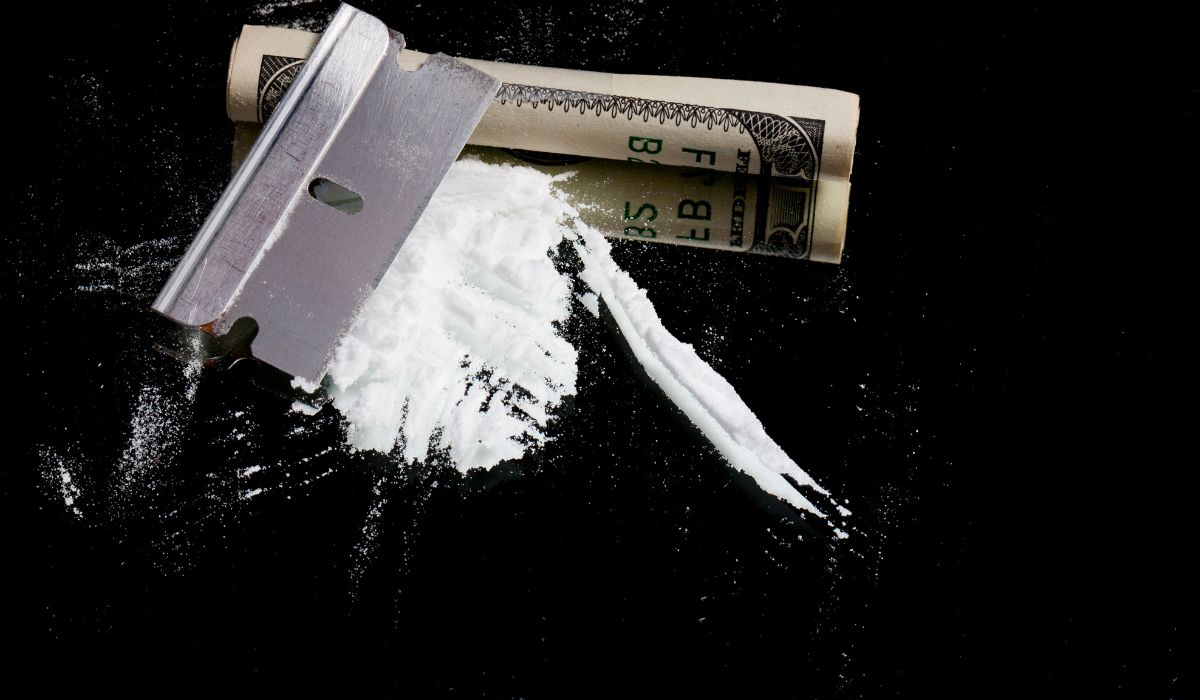
Cocaine is a strong, illegal drug made from the coca plant. It’s often sold as a white powder. Some people snort it, smoke it, or inject it. Cocaine is a stimulant, which means it speeds up messages between the brain and the body.
While it may cause short-term feelings of energy or happiness, it’s also dangerous. Cocaine can harm the heart, brain, and other organs, and it can be addictive.
Why Do People Ask About Cocaine in Urine?
There are a few main reasons people ask how long cocaine stays in urine:
-
Drug tests for work or school
-
Court-ordered testing
-
Medical treatment planning
-
Personal curiosity after use
Knowing this helps people understand detection windows and possible risks.
How the Body Processes Cocaine
When someone uses cocaine, the body starts breaking it down right away. The liver changes it into different chemicals called metabolites. The main one is benzoylecgonine, which drug tests look for.
After processing, the body removes cocaine and its metabolites through urine, sweat, and stool. But benzoylecgonine can stay in the body longer than cocaine itself, which is why it can still show up in urine tests days after use.

Average Time Cocaine Stays in Urine
For most people, cocaine can be found in urine for 2 to 4 days after use. But in some cases, it can be detected for up to a week or more.
Single Use vs. Heavy Use
-
Single use – Usually 2–3 days in urine
-
Frequent or heavy use – Up to 7–14 days in urine
This is because cocaine builds up in the body if it’s used often.
Factors That Affect Detection Time
Not everyone will have the same detection window. Here are some factors that change how long cocaine stays in your urine:
1. Amount Used
The more cocaine taken, the longer it can be found in urine.
2. Frequency of Use
Daily or heavy users may have cocaine in their urine for over a week.
3. Metabolism
People with faster metabolisms may process cocaine quicker than those with slower metabolisms.
4. Body Fat Percentage
Cocaine and its byproducts can be stored in fat cells. Higher body fat can mean longer detection.
5. Hydration
Being well-hydrated can help your body flush out drugs faster, but it won’t erase all traces instantly.
6. Health of Liver and Kidneys
The liver and kidneys help remove cocaine from the body. If they aren’t healthy, the process can take longer.
How Urine Drug Tests Work for Cocaine
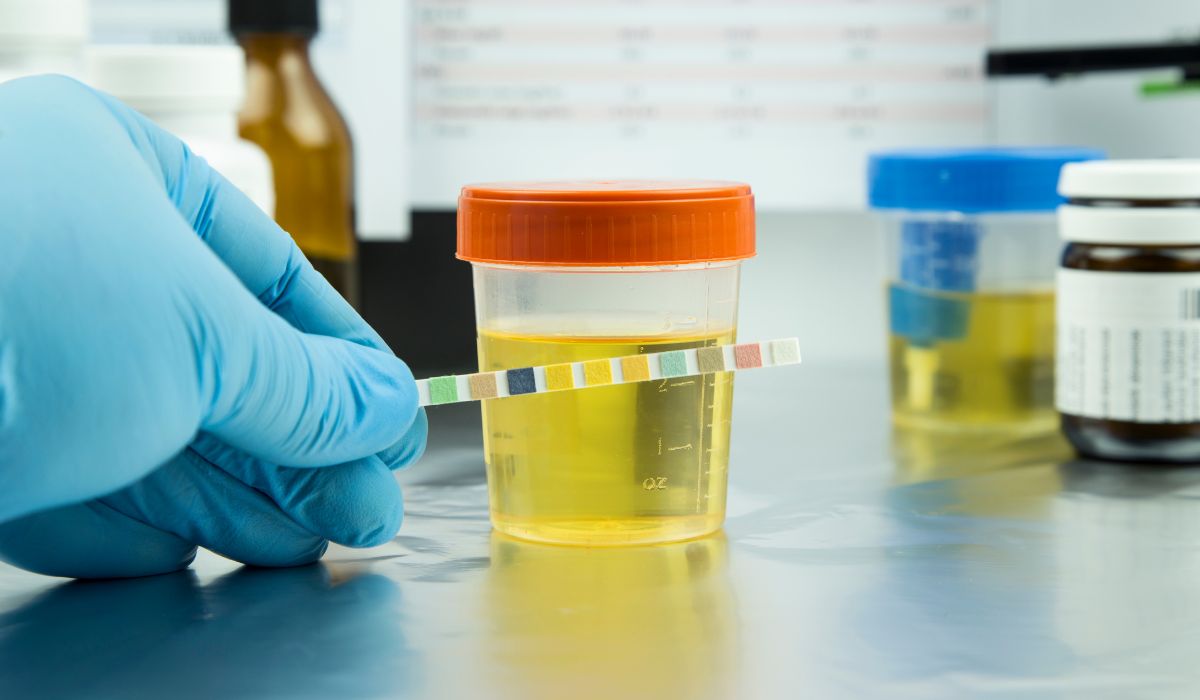
Urine drug tests are one of the most common ways to check for cocaine. They don’t just look for the drug itself — they test for benzoylecgonine.
Here’s how it works:
-
A urine sample is collected.
-
The sample is sent to a lab.
-
The lab uses chemical tests to check for cocaine metabolites.
Most tests can find cocaine use within a 2–4 day window, but heavy use may be found for longer.
Other Drug Testing Methods
While urine testing is most common, cocaine can also be found using other tests:
Blood Tests
-
Can find cocaine for up to 2 days after use.
Saliva Tests
-
Can detect cocaine for 1–2 days.
Hair Tests
-
Can detect cocaine for up to 90 days.
Can You Speed Up How Fast Cocaine Leaves Your Urine?
Many people look for ways to “flush” drugs out of their system quickly, but there’s no magic fix. The body needs time to break down and remove cocaine naturally.
Some things may support your body’s natural detox process:
-
Drinking plenty of water
-
Eating healthy foods
-
Getting enough rest
-
Light exercise (if safe)
However, these will not instantly clear cocaine from your urine.
Dangers of Using Cocaine
Even small amounts of cocaine can be dangerous. Risks include:
-
Heart attack
-
Stroke
-
Seizures
-
Anxiety or paranoia
-
Addiction
Long-term use can damage the heart, brain, and mental health.
Cocaine and Addiction
Cocaine can cause both physical and mental addiction. People may feel strong cravings and find it hard to stop, even if it’s causing problems.
Signs of cocaine addiction include:
-
Using more often than planned
-
Needing more to feel the same effect
-
Ignoring responsibilities
-
Feeling depressed or anxious without it
Getting Help for Cocaine Use
If you or someone you know is struggling, help is available. Treatment may include:
-
Detox programs to safely stop use
-
Counseling or therapy to learn coping skills
-
Support groups like Narcotics Anonymous
-
Rehab programs for long-term recovery
Recovery is possible, and many people live healthy, drug-free lives after treatment.
Why Honesty Matters in Testing
If you need to take a drug test for medical, legal, or work reasons, being honest can help. Doctors or counselors can give better support when they know the truth.
How Long Cocaine Stays in Urine: Key Takeaways
-
Most people: 2–4 days in urine
-
Heavy users: up to 1–2 weeks
-
Many factors affect detection time
-
No instant way to clear it from your system
-
Getting help can protect your health and future
Seeking Treatment? We Can Help!
We work with PPO Out of Network Health Insurance Policies
If you or a loved one are struggling with mental health challenges or substance abuse, reach out to Mountain Sky Recovery today. Our team of compassionate professionals is here to support your journey towards lasting well-being. Give us a call at 951-498-5412. Visit SAMHSA for more information.