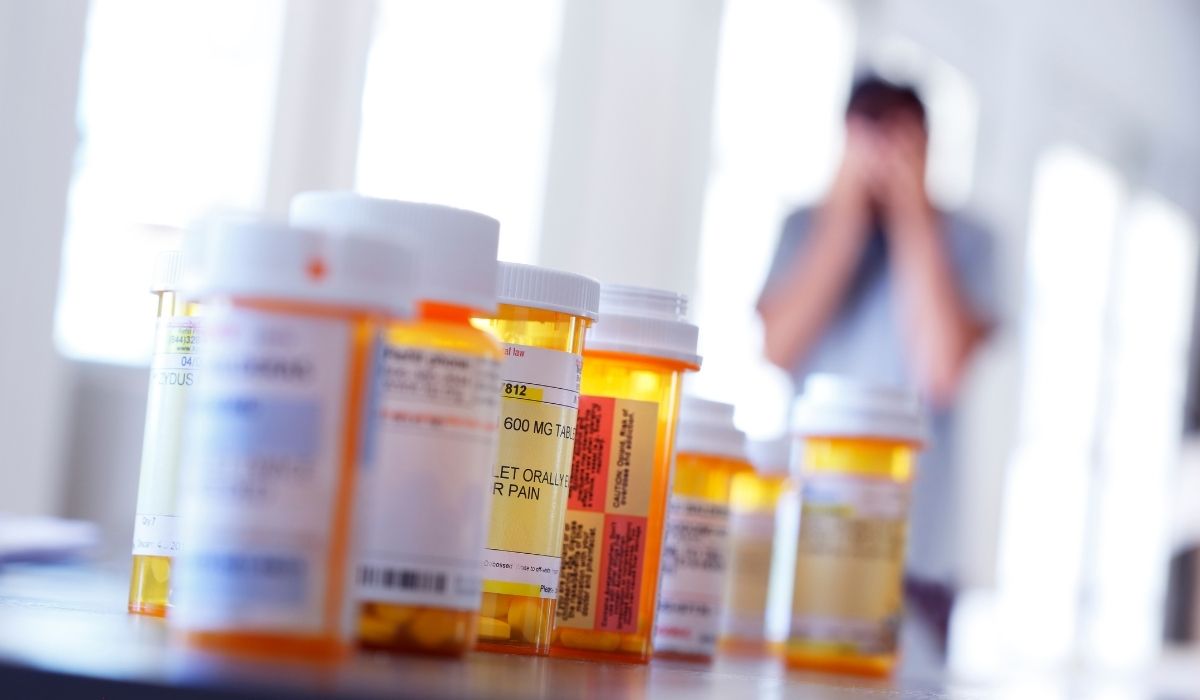
Can You Die from Opioid Withdrawal?
Opioids are strong drugs used to stop pain. Some people also use them to feel high. But using opioids too much can lead to addiction. If someone stops taking opioids suddenly, they may go through withdrawal.
Many people ask, “Can you die from opioid withdrawal?” The answer is: Yes, but it is rare. It can be very dangerous without the right help. Let’s talk about why withdrawal happens, the signs to watch for, and how to stay safe.
What Are Opioids?
Opioids are drugs that change how your brain feels pain. Doctors sometimes give them after surgery or for big injuries. Some common opioids include:
-
Oxycodone (OxyContin)
-
Hydrocodone (Vicodin)
-
Fentanyl
-
Heroin (illegal)
-
Morphine
They help with pain, but they also cause a “high.” This feeling can lead to opioid addiction, also called opioid use disorder.
What Is Opioid Withdrawal?
When someone uses opioids a lot, their body gets used to it. If they stop, the body reacts. That’s called withdrawal. It means the body is trying to work without the drug it’s used to.
Why Withdrawal Happens
Opioids change the brain’s balance. They affect brain chemicals like dopamine. Over time, the body stops making those chemicals naturally. So when opioids are removed, the brain struggles.
Signs of Opioid Withdrawal
Withdrawal symptoms can start a few hours after the last dose. Symptoms may last for days or even weeks. Some symptoms include:
-
Sweating
-
Shaking
-
Stomach cramps
-
Diarrhea
-
Nausea and vomiting
-
Fast heartbeat
-
Trouble sleeping
-
Anxiety or panic
-
Body aches
-
Chills
These symptoms can feel like the flu, but much worse.
Can Opioid Withdrawal Kill You?
Opioid withdrawal is not usually deadly, but it can be in some cases. Here’s how:
1. Dehydration
If someone vomits or has diarrhea a lot, they can lose too much water. This is called dehydration, and it can lead to death if not treated.
2. Heart Problems
People in withdrawal can have a fast heartbeat or high blood pressure. This can lead to heart attacks or other problems, especially in older people.
3. Suicide Risk
Opioid withdrawal can cause severe depression. Some people feel like life is too hard without the drug. This can lead to thoughts of suicide or self-harm.
Who Is at Risk of Dying from Withdrawal?
Certain people face higher risks, including:
-
People with heart problems
-
Pregnant women
-
Older adults
-
People with mental health issues
-
People detoxing without help
Medical detox is the safest way to stop using opioids. Never try to quit “cold turkey” on your own.
What Is Medical Detox?
Medical detox is when doctors help you stop using drugs safely. They watch your symptoms and give you medications for withdrawal. This can help with:
-
Pain
-
Vomiting
-
Anxiety
-
Cravings
They may also use Medication-Assisted Treatment (MAT), which includes:
-
Methadone
-
Buprenorphine (Suboxone)
-
Naltrexone
These medications help your body slowly adjust. You won’t feel as sick, and you’re less likely to relapse.
What Is the Safest Way to Stop Using Opioids?
The safest way is to go to a rehab center or a detox clinic. Doctors and nurses can monitor you and help with:
-
Opioid tapering (reducing use slowly)
-
24/7 care
-
Therapy and support
-
Mental health help
You may also join an inpatient or outpatient program, depending on your needs.
Can You Withdraw at Home?
At-home detox is risky. If your symptoms get too bad, there may be no one to help. Many people relapse when they try to quit alone. Others may suffer serious problems like:
-
Passing out from dehydration
-
Having a seizure
-
Mental breakdowns
-
Going back to drugs and overdosing
Always talk to a healthcare provider before stopping opioids.
How Long Does Opioid Withdrawal Last?
Withdrawal usually happens in stages.
Stage 1: 6–12 Hours
-
Muscle aches
-
Anxiety
-
Sweating
-
Trouble sleeping
Stage 2: 1–3 Days
-
Nausea
-
Vomiting
-
Diarrhea
-
Chills
-
Cravings
Stage 3: 4–7 Days
-
Mood swings
-
Depression
-
Trouble thinking clearly
Some people may feel low energy or anxiety for weeks or months. This is called Post-Acute Withdrawal Syndrome (PAWS).
Is Opioid Withdrawal the Same for Everyone?
No, everyone is different. How bad withdrawal feels depends on:
-
How long you used opioids
-
What kind of opioids you used
-
How much you used
-
Your age and health
-
Other drugs or alcohol you used
That’s why it’s important to get personalized treatment.
Why You Shouldn’t Detox Alone
Detoxing without help is dangerous. Here’s why:
-
You may not drink or eat enough
-
You may get confused or scared
-
You might overdose if you relapse
-
You won’t have support when things get hard
Treatment centers offer safe withdrawal help, plus therapy to treat the root causes of addiction.
Where to Get Help for Opioid Addiction
If you or someone you love is addicted to opioids, help is available. You can talk to:
-
A family doctor
-
A rehab center
-
A mental health professional
-
A local clinic
-
A hotline like 988 (Suicide & Crisis Lifeline)
You are not alone. Many people recover and live happy, healthy lives.
Important Entities and Services That Can Help
These organizations and treatments are trusted:
-
Substance Abuse and Mental Health Services Administration (SAMHSA)
-
Centers for Disease Control and Prevention (CDC)
-
National Institute on Drug Abuse (NIDA)
-
American Society of Addiction Medicine (ASAM)
- Opioid Addiction from Mountain Sky Recovery
They offer info and support for withdrawal, detox, and recovery.
Final Thoughts
So, can you die from opioid withdrawal? The answer is yes—but it’s rare if you get help. Withdrawal can be painful and scary, but you don’t have to do it alone.
Treatment centers, doctors, and support groups are ready to help. With the right care, you can stop using opioids and feel better again. You deserve a healthy life.
Seeking Treatment? We Can Help!
We work with PPO Out of Network Health Insurance Policies
If you or a loved one are struggling with mental health challenges or substance abuse, reach out to Mountain Sky Recovery today. Our team of compassionate professionals is here to support your journey towards lasting well-being. Give us a call at 951-498-5412. Visit SAMHSA for more information.