
Amphetamine Addiction Treatment in Murrieta, CA
Looking for amphetamine addiction treatment in Murrieta? Mountain Sky Recovery offers evidence-based care—CBT, Contingency Management, Motivational Interviewing, and dual-diagnosis support—with residential and outpatient options close to home. Serving Murrieta, Temecula, Menifee, Wildomar, we help you stabilize, rebuild routines, and involve your family in recovery. Call 951-396-3694 or verify insurance to start today.
Amphetamine addiction can significantly affect a person’s physical and mental health, leading to serious challenges in daily life. Mountain Sky Recovery in Murrieta, CA, provides specialized amphetamine addiction treatment designed to help individuals overcome dependency and regain control of their lives.
This page outlines the effects of amphetamine addiction, the treatment options available, and how our evidence-based programs address this complex condition.

Contact Us!
Fill out a form and our team will get back to you promptly!
What Are Amphetamines?
Amphetamines are stimulant medications prescribed to treat conditions such as attention deficit hyperactivity disorder (ADHD) and narcolepsy. These drugs stimulate the central nervous system, improving focus and alertness. However, misuse or long-term use of amphetamine derivatives can lead to amphetamine addiction, requiring professional intervention.
Common Examples of Amphetamines
- Prescription medications like Adderall and Ritalin.
- Illicit substances, including methamphetamine.
- Over-the-counter stimulants occasionally used to suppress appetite.

Understanding Amphetamine Addiction
Amphetamine addiction occurs when the brain becomes dependent on these substances, leading to behavioral and physical changes. Prolonged use of amphetamines can cause developing tolerance, where higher doses are needed to achieve the same effects. This increases the risk of dependency and adverse health effects.
Signs of Amphetamine Addiction
-
Intense cravings for the drug.
-
Difficulty stopping use despite negative consequences.
-
Sleep disturbances and psychotic symptoms.
-
Changes in blood pressure and heart rate.
Physical and Mental Health Risks
Chronic amphetamine use can lead to health problems such as cardiovascular damage, amphetamine toxicity, and cognitive impairments. It also increases the likelihood of developing mental health conditions like anxiety and depression.

Ready to end Adderall/amphetamine dependence?
Talk to our Murrieta team now at 951-877-5868 or Verify Insurance. Same-day assessments available. We’ll map a plan that fits school, work, and family life.
Withdrawal Symptoms and Challenges
Individuals with amphetamine dependence often experience severe amphetamine withdrawal symptoms when trying to quit. Common symptoms include:
- Fatigue and insomnia.
- Psychotic symptoms such as paranoia.
- Intense cravings and emotional instability.
- Physical symptoms like muscle aches and tremors.
Managing these symptoms requires a structured treatment plan tailored to the individual’s needs.
Treatment Options for Amphetamine Addiction
At Mountain Sky Recovery, we offer comprehensive amphetamine addiction treatment programs to address the physical, psychological, and behavioral aspects of addiction.
Inpatient Treatment
Our residential treatment program provides a safe and supportive environment for recovery. Inpatient care includes:
- 24/7 medical supervision.
- Structured daily routines.
- Behavioral interventions like cognitive behavioral therapy (CBT).
Outpatient Treatment
For those unable to commit to inpatient care, our outpatient treatment program offers flexibility. Clients receive therapy and support while maintaining their daily responsibilities.
Medication-Assisted Treatment
We use medication-assisted treatment (MAT) to manage withdrawal symptoms and reduce cravings. MAT can improve treatment retention and long-term outcomes.
What does treatment for Amphetamine Addiction typically involve?
Treatment for amphetamine addiction typically involves a comprehensive and structured approach, including:
-
Medical Detox: Safely managing withdrawal symptoms under medical supervision. This is often the first step.
-
Behavioral Therapy: The most effective treatment approach. Common therapies include:
-
Cognitive Behavioral Therapy (CBT) – helps change unhealthy thought patterns and behaviors.
-
Contingency Management (CM) – uses rewards to encourage sobriety.
-
Motivational Interviewing (MI) – builds motivation for recovery.
-
-
Support Groups: Peer support through 12-step programs or groups like Narcotics Anonymous (NA) can provide community and accountability.
-
Dual Diagnosis Treatment: If mental health issues like anxiety or depression are present, treating both the addiction and mental health condition is critical.
-
Long-Term Rehab or Outpatient Programs: These offer ongoing support, relapse prevention strategies, and life skills training.
-
Aftercare Planning: Includes sober living options, continued counseling, and relapse prevention support after formal treatment ends.
Can you stop amphetamine use?
Yes, it is possible to stop using amphetamines, but it often requires professional help due to the strong psychological dependence they can cause.
-
Quitting cold turkey may lead to withdrawal symptoms such as fatigue, depression, irritability, and cravings.
-
Medical and therapeutic support increases the chance of successfully stopping and staying off amphetamines.
-
Long-term recovery often involves lifestyle changes and support from therapists, family, or recovery groups.
Important: Never stop suddenly without speaking to a medical professional, especially if use was heavy or long-term.
What counteracts amphetamine?
There is no direct antidote that instantly neutralizes amphetamines, but several strategies help manage their effects:
-
Benzodiazepines (like lorazepam or diazepam) may be used in a medical setting to calm extreme agitation, anxiety, or high blood pressure.
-
Antipsychotics may be used if someone experiences psychosis or hallucinations.
-
Sleep, hydration, and nutrition help support the body during the crash or withdrawal phase.
-
Therapy and medication can help counteract long-term mental health effects caused by amphetamine misuse.
In overdose or emergency situations, hospital care is necessary, and treatment focuses on managing symptoms until the drug clears the system.
Is Adderall (prescriptions) addiction different from illicit amphetamine use?
Yes, it can be different—but the need for help can be just as real. Many people start with a prescription like Adderall and slowly begin taking more than directed, taking it more often, or using it for longer than intended. Others may crush or snort pills, “save up” doses, buy extras from friends, or see more than one prescriber. With illicit amphetamine use, the product may be stronger, unpredictable, or mixed with other substances, which can raise the risk of panic, heart strain, paranoia, or unsafe behavior.
No matter how it starts, the biggest sign that it has become a problem is when you feel like you can’t stop, cravings take over your day, your sleep and mood crash when you don’t have it, or your relationships, job, or school begin to suffer. Treatment should meet you where you are—helping you stabilize your body, rebuild sleep, and learn coping skills for stress, focus, and cravings, while also addressing root issues like anxiety, depression, trauma, or ADHD so you don’t feel like you “need” amphetamines to function.
Can the brain recovery from Adderall?
Yes—the brain can recover after Adderall, especially when the medication is stopped safely and the person gets good support. Adderall (an amphetamine) changes dopamine and norepinephrine signaling, which can affect focus, sleep, appetite, mood, and motivation. After stopping, some people feel “crashed” for a while—tired, low mood, foggy thinking, irritability, and strong cravings. For many, these symptoms improve over days to weeks, but if use was heavy, long-term, or involved misuse, recovery can take months and may include ongoing work on sleep, stress, and mental health. The biggest things that help the brain heal are consistent sleep, nutrition, exercise, hydration, counseling/support, and avoiding other substances. If someone has depression, anxiety, or ADHD symptoms underneath, treating those in a healthy way can make recovery smoother and reduce relapse risk.
What is the most common treatment that involves the use of amphetamine-like medications?
How our Murrieta program treats stimulant use disorder
Levels of care (picked with you after assessment):
-
Residential treatment (in Murrieta): 24/7 support, medical oversight, daily therapy schedule, and relapse-prevention planning.
-
Outpatient & IOP: 9–12+ hours/week of therapy you can attend while working or in school, with evening options.
Evidence-based therapies you’ll receive:
-
CBT: identify and replace “study-drug” and productivity-pressure thinking that drives use.
-
Contingency Management (CM): structured rewards for clean tests that reinforce early wins.
-
Motivational Interviewing (MI): strengthen commitment to change without shame.
-
Family sessions: rebuild trust, set boundaries, and create accountability at home.
-
Sleep & energy rehab: nutrition, exercise, and routine design to heal the crash-cycle.
Dual-diagnosis care: We routinely treat anxiety, depression, ADHD, and sleep disorders alongside stimulant use so symptoms don’t trigger relapse.
What about medication? There’s no single FDA-approved “anti-amphetamine” medication. We treat symptoms (sleep, anxiety, mood), coordinate with psychiatry for ADHD care, and use CM/CBT as the gold-standard for stimulant disorders.
Typical timelines:
-
Stabilization: 1–2 weeks (cravings, mood, sleep improve).
-
Skills & relapse prevention: 4–8 weeks.
-
Aftercare: weekly therapy/support and optional sober-living.
Why Choose Mountain Sky Recovery?
Located in Murrieta, CA, Mountain Sky Recovery is committed to providing compassionate, evidence-based care for those affected by amphetamine addiction. Our experienced team uses the latest research, including data from controlled trials and the Diagnostic and Statistical Manual (DSM), to ensure effective and personalized treatment plans.
Take the First Step Toward Recovery
If you or a loved one is struggling with amphetamine addiction, seek professional help today. Recovery is possible with the right support and treatment options. Contact Mountain Sky Recovery to learn more about our programs and take the first step toward a healthier, substance-free life.
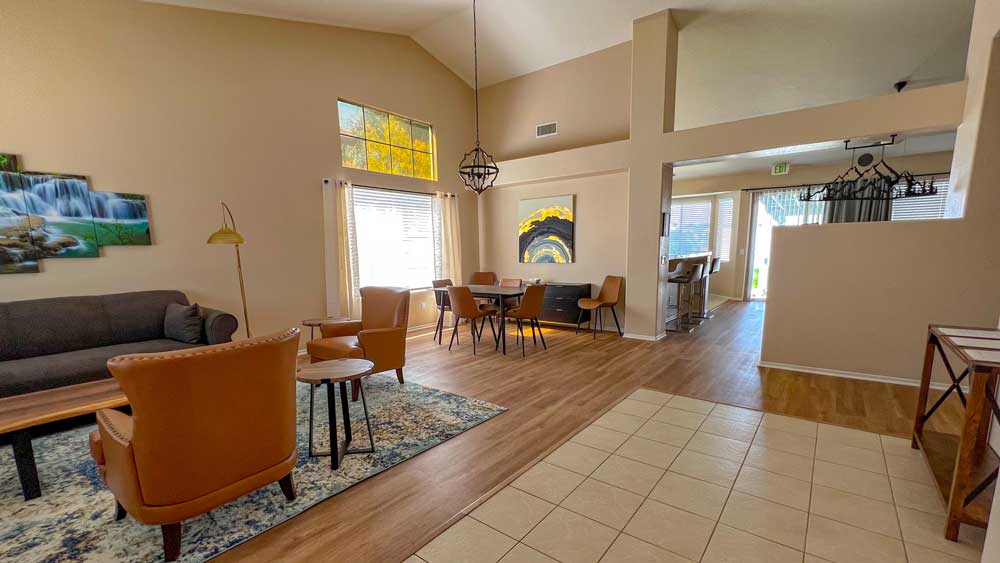
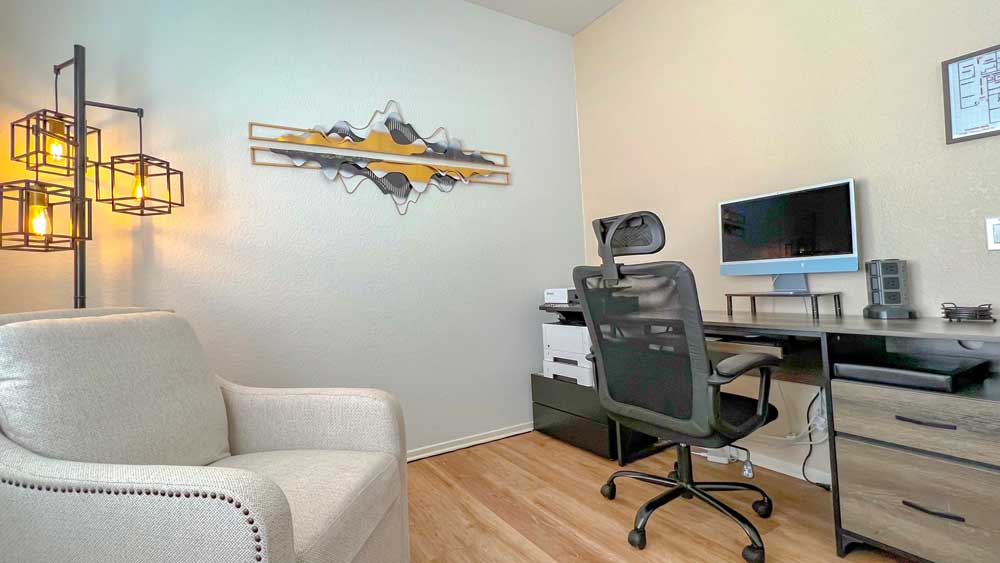
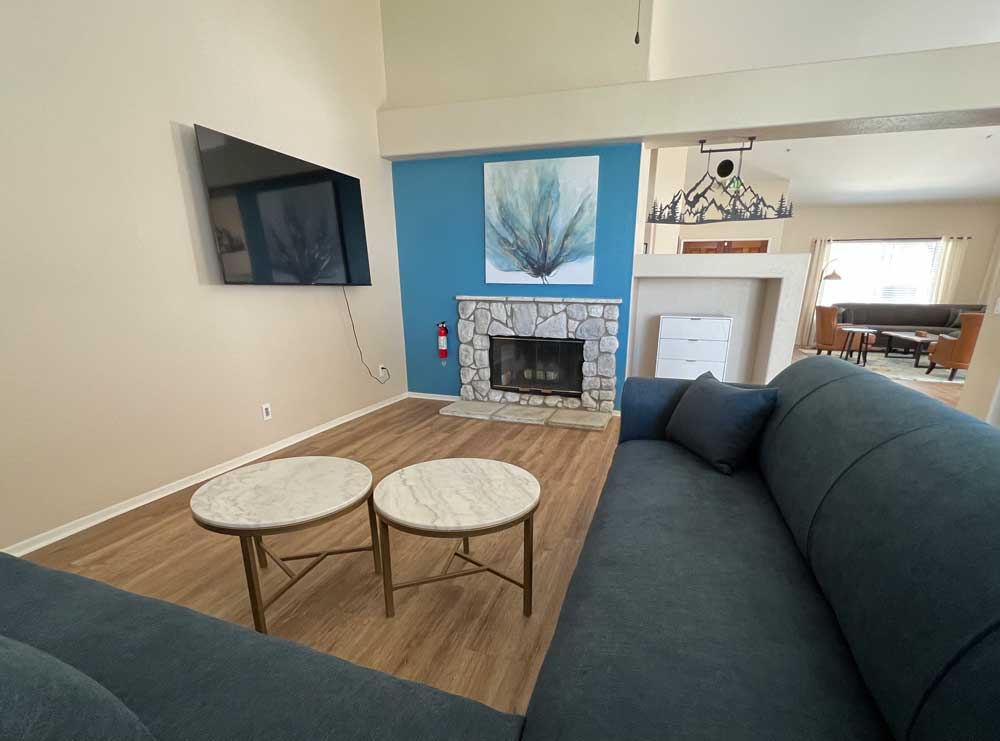
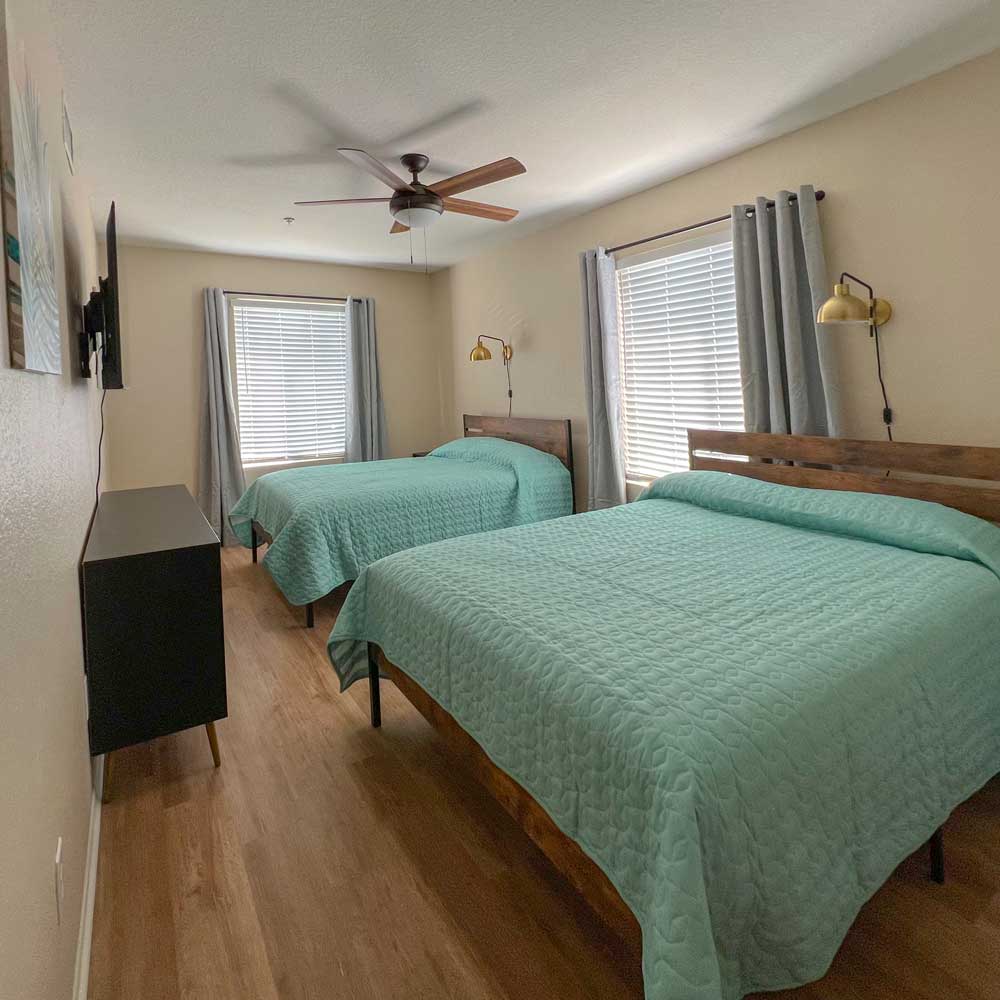
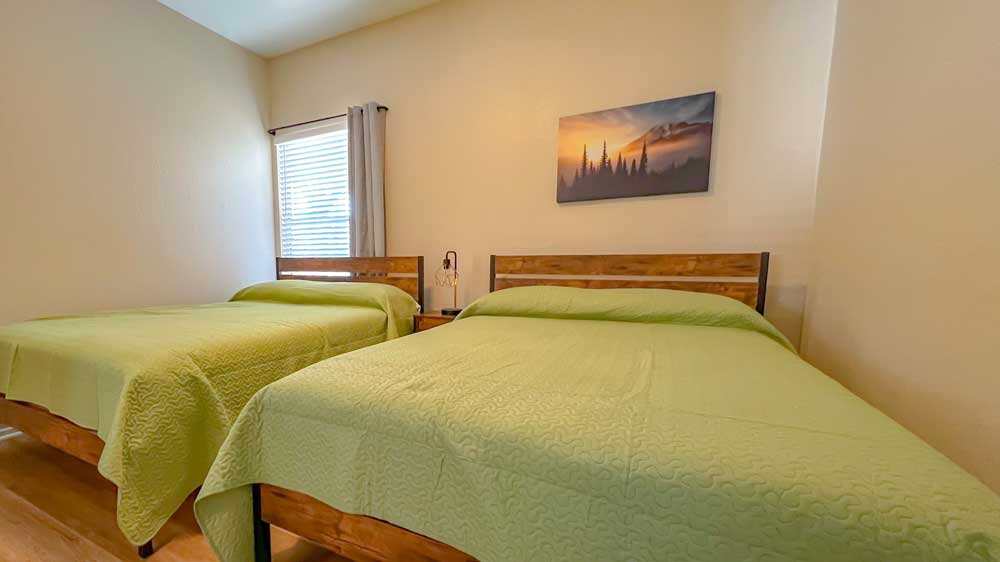
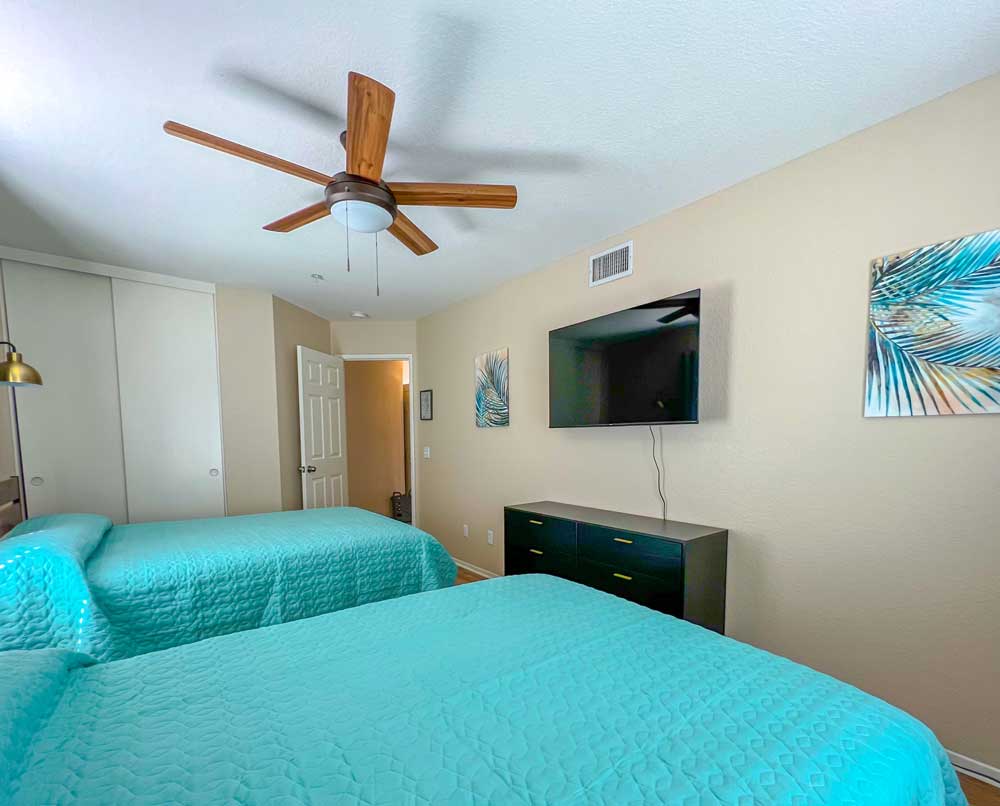
See Our Premier Fentanyl Rehab Facility!







FAQs About Amphetamine Addiction Treatment
What are the first signs someone needs amphetamine addiction treatment?
Early signs include mood swings, rapid weight loss, insomnia, increased heart rate, and neglect of responsibilities. Seeking help early at a Murrieta treatment center improves recovery outcomes.
How long does amphetamine withdrawal last?
Withdrawal typically lasts 1–2 weeks, with fatigue and depression peaking in the first few days. Some psychological symptoms may last longer, making professional treatment important.
What therapies are most effective for amphetamine addiction?
Evidence-based therapies like CBT, DBT, and motivational interviewing are most effective. Mountain Sky Recovery also integrates peer support and holistic therapies for full healing.
Is outpatient treatment effective for amphetamine addiction?
Yes, outpatient care can be effective for mild to moderate addiction. It allows clients in Murrieta to maintain work and family life while receiving therapy and support.
Can amphetamine addiction treatment help with co-occurring mental health disorders?
Absolutely. Many people struggling with amphetamines also face anxiety, depression, or PTSD. Dual diagnosis treatment addresses both issues together for lasting recovery.
What makes amphetamine addiction treatment in Murrieta unique?
Mountain Sky Recovery offers personalized care in a supportive environment with access to luxury amenities, evidence-based treatment, and a strong recovery community in Riverside County.
How can families support a loved one in amphetamine recovery?
Families can participate in counseling, attend support groups, and learn healthy communication tools. Involving loved ones improves accountability and long-term sobriety.
Are there medications that help with amphetamine cravings?
While there’s no FDA-approved “cure,” certain medications may ease symptoms like anxiety, depression, or sleep issues during recovery. MAT is sometimes used as part of a broader plan.
What happens after completing an amphetamine rehab program?
Aftercare may include sober living, outpatient therapy, relapse prevention planning, and community support groups. This ongoing care is critical for maintaining long-term recovery.
How do I choose the best amphetamine addiction treatment center in Murrieta?
Look for centers with experienced staff, individualized treatment plans, dual diagnosis care, and positive testimonials. Touring the facility and verifying insurance coverage can help in making the right choice.
Testimonials
“Mike was my counselor for about 6 months. I came to him broken, sick, and deep in the horrors of addiction. I had completely lost all hope. Mike was the first person to show me kindness and compassion in a long time.
I’ve never felt comfortable opening up to people before, but Mike was able to challenge my beliefs and give me the courage to overcome my fears and break down the walls I had built up over many years of addiction. He took the time to listen to me and allow me to express the issues I was dealing with.
His direct but non-judgmental manner made hard topics easier to address head-on, which I really needed and appreciated. I now have 4 years sober and a life that I never thought was possible and I truly believe I would not be here without the care, patience, and dedication I received from Mike.”
Rebecka
“Since early childhood, the truth was hidden from me. The truth about my family, the truth about the world, the truth about love, and the truth about myself. I’m not sure he knows this, but Mike is the first person who ever told me the truth.
When I wanted to leave, he gave me reasons to stay. When I started to doubt my abilities, he gave me reasons why I shouldn’t. Most importantly, when I started to judge and focus on others, he gave me a mirror. Those are a small fraction of all the examples of some of the truths he told me.
Every year when I take a chip, I break down and cry not only because I am proud to still be clean, but because I’m thankful I let Mike tell me the truth.
I will be grateful for him until the day I leave this Earth, and I imagine I’ll do it clean because Mike gave me the ability to imagine it”
Rebecka
Mike has an amazing ability to relate to his clients and use his own experiences to guide you through whatever obstacle life throws your way. I’ve never felt more supported from any previous counselors or therapists and I highly recommend giving Mike a chance to help you get your life back.
I really never thought I could be sober, or live a fulfilling life and it was Mike that believed in me and walked me through the challenges until I could stand on my own two feet. 4 and a half years later, and he still checks on me periodically and makes me feel supported.
I can’t say enough about how amazing my experience was working with Mike, he truly cares for his clients and has the biggest heart and passion for helping people.”
Julie
Why Choose Mountain Sky Recovery?

Individualized Care
Our compassionate staff works closely with clients to develop personalized treatment plans that address their unique needs and goals.

Proven Methods
We utilize evidence-based treatments and therapies to ensure the highest level of success for our clients.

Holistic Approach
We incorporate wellness practices and alternative therapies to promote healing in all aspects of our client's lives.

Supportive Community
Our nurturing environment fosters a sense of belonging and support, empowering clients to build lasting connections and recovery networks.